David Goldklang, designer
Designing with a team of AI agents
I run about a dozen Claude agents, one per project, with a coordinator over them. I designed the system like any product: clear roles, written contracts, tests, and a way to reach every one of them from my phone.




Green
Out of Figma, into the code
At Green, I stopped designing in Figma. The design lived in the app’s own code, and the whole team reviewed it there, with Claude Code turning feedback into changes.
- Tools
- Claude Code, Copper (iOS), PennyDS
- Role
- Designed the workflow and built the tools
01Why leave Figma
A design tool is still a copy
- 01Anything designed in Figma still has to be translated into code, by hand, every time.
- 02Keeping files, components and the shipped app in step was a constant chore, and they drifted anyway.
- 03Connecting Figma to the rest of the work meant building and maintaining plugins, which got complicated fast.
02The loop
Design, review and fix, all in the code
- 1Claude CodeI design by directing Claude Code in the app's own codebase.
- 2CopperThe iOS app where the real design build runs, on a phone, next to production.
- 3PennyDSThe design system's website: the viewer where anyone can see each component.
- 4CommentsTeammates leave feedback right on what they're looking at.
- 5Claude takes them inClaude reads the comments, answers them and proposes the change.
- 6Better app codeThe fix lands in the app's code as a reviewed change, and the loop goes round again.
03What changed
One source of truth
There’s nothing to hand off and nothing to keep in sync: what people review is the app itself, and every round of feedback ends as an improvement to its code.
How it works
One coordinator, an agent per project
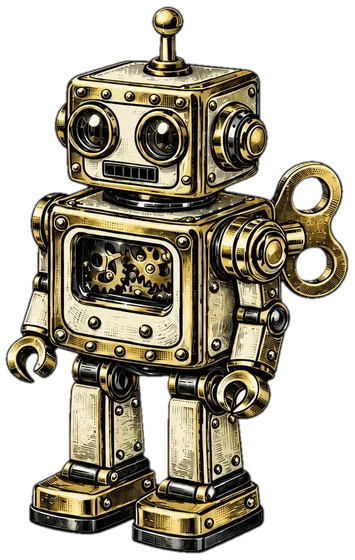
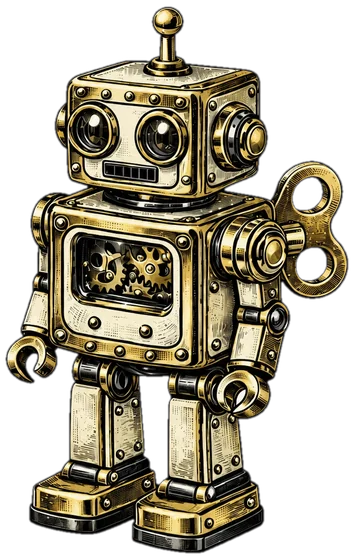
I talk to one coordinator, Rosie, named after the Jetsons’ robot. She takes my requests, keeps my to-do list and routes work to the agent that owns each project. Each agent has its own instructions, a living plan and handoff notes, all in plain files under version control.
They run around the clock on a Mac mini at home, and I work with any of them from my phone.
- Agents
- About a dozen, one per project
- Runs on
- Two Mac minis, one personal and one for work
- PortfolioThis site
- OuterBrainMy day, as an app
- OtterSpaceThe school app
- VandaCards, store and Realms
- 3D PrintingModels and prints
- Design ToolsMy tools lab
01Rules that hold
Written rules are advice. Tests are rules.
- Real content onlyNo invented clients, metrics, quotes or reviews, in any prototype or page.
- A file is a contractAgents hand work to each other through committed docs; a message is just a nudge to go read one.
- One living docEvery decision lands in the project’s plan the same turn it’s made.
- Secrets by handPasswords and keys reach a machine only by my hand, never passed between agents.
A rule that must never break becomes a test or a guard hook, not a sentence in a doc.
02Work and home
A wall between the two
- Two machinesWork runs on its own Mac mini with the only work credentials; everything personal runs on the other.
- One way inEach project names the one machine allowed to write to it, so two copies never drift.
- Approvals stay mineAgents won't act on a relayed OK to publish or send anything public: I give that in the agent's own chat.
Case in point
Building this portfolio took the whole team
The agent that builds this site asked the other agents for what only they could make. Each request is a short message pointing at a brief; each answer is files in a folder, with a note on what to watch for.

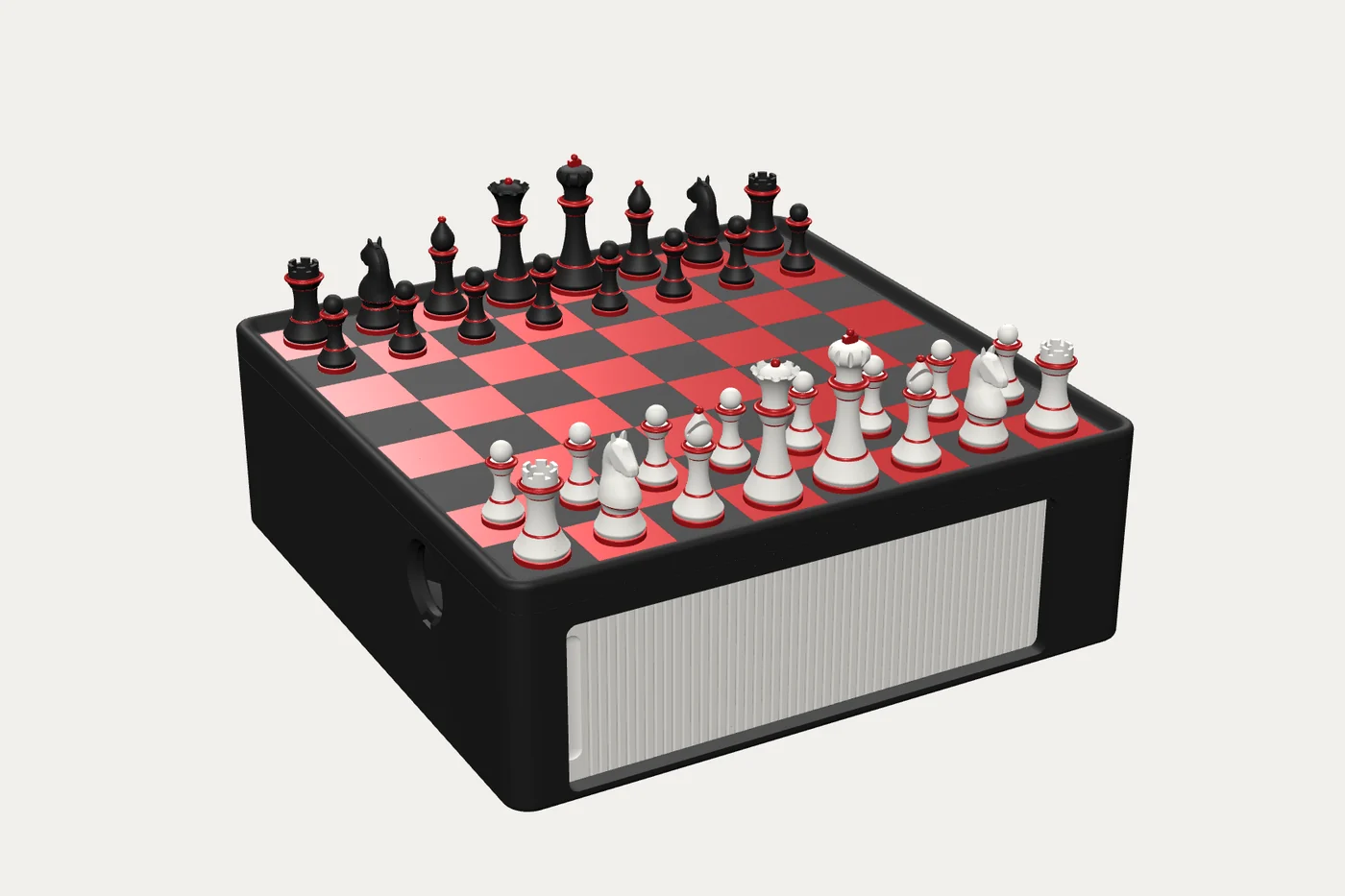
01Hand-offs
Who asked whom, and what came back
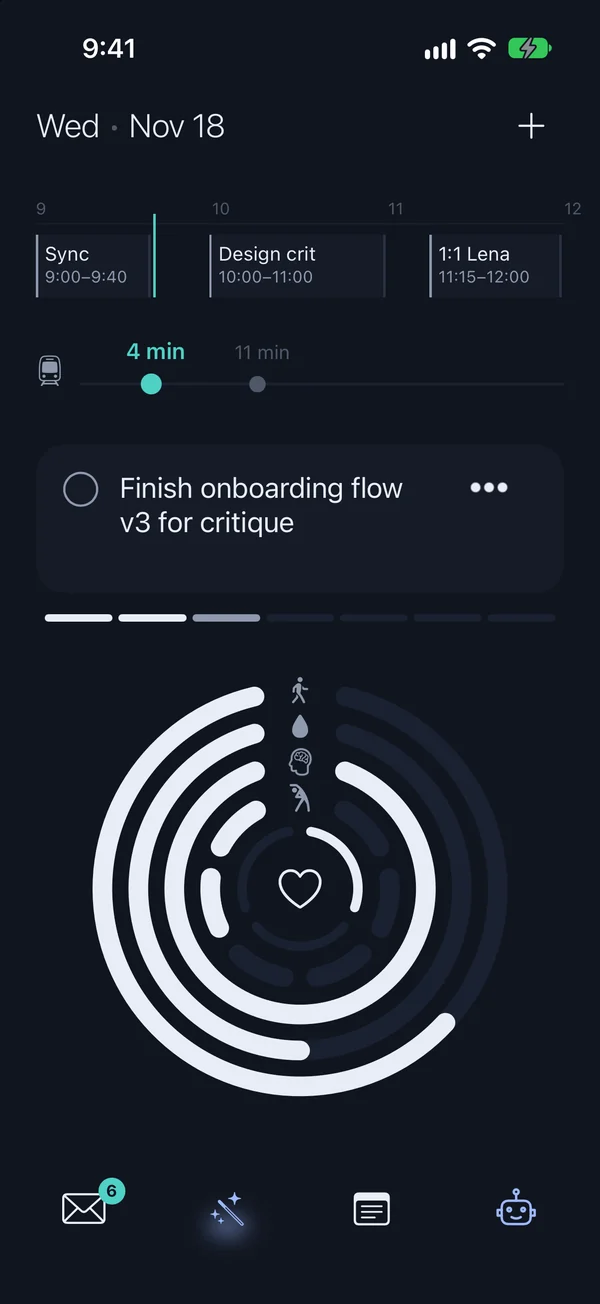
PortfolioOuterBrain
Screens of my day app, without my real data.
It built a demo mode of invented events, emails and tasks, then captured nine screens and two looping transitions, including the rings unrolling into bars.
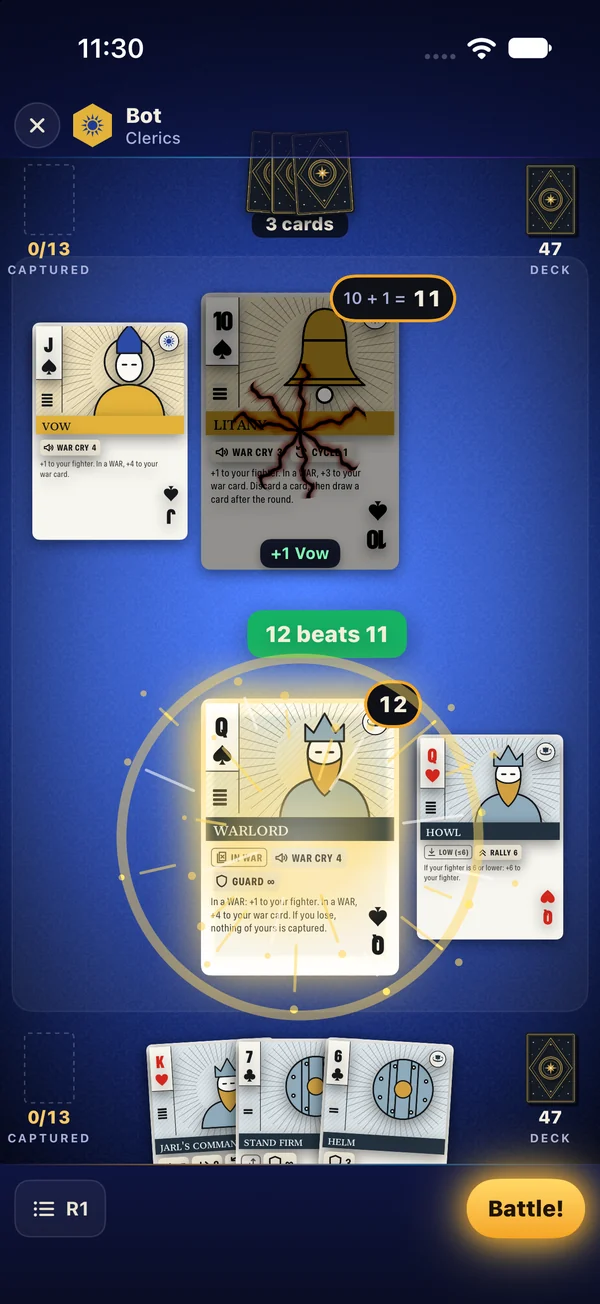
PortfolioVanda
Real screens of the card game, to replace the mockups.
Seven screens from the game's own capture mode, six card faces, and a clean battle clip after the first one caught a debug panel.
PortfolioVanda
The members' club, for a public page.
Re-rendered the shipped store theme with an invented member, and flagged that one step showed unreleased deck art. We blurred it into a teaser.
Portfolio3D Printing
Renders and facts for the planters and the chess box.
Renders and print facts, plus a warning: two of the models were remixes, so it tracked down each original creator for the credits.
PortfolioOtterSpace
Screenshots from the demo account.
It didn't have the password and wouldn't ask for it through another agent. Secrets travel by my hand only, so I'll capture those myself.
02What it shows
Agents that know their limits
- Each agent owns its project's code and data, so the work comes from the one that knows it best.
- Privacy holds by default: invented data, blurred art, nothing secret passed along.
- They flag what needs my decision instead of guessing.
This site
Designed by me, built with agents
From the first clickable concept to the illustration pipeline, this site was designed in conversation and built in code, with every change reviewed live on a preview link.
01By the numbers
Small scripts, big system
- 0
- home page objects, each in line art and color, light and dark
- 0
- small scripts in the illustration pipeline
- 0
- color palettes, each in light and dark
- 0
- little movements across the home page objects
02Line to color
Drawings that fill in as you explore
Each object starts as a line drawing and fills in with color once you’ve visited its section; then it comes alive now and then. Both styles share one outline, so the change is a dissolve, not a jump.